An Update on the Beatrice Project
As I write this, I’ve just put together my notes for what I’m going to say at the Book Bloggers Conference panel on… let’s check the program here… “syndication, monetization and affiliate programs for your blog.” To some extent, I’ll be talking about the limitations I’ve seen in revenue-generating strategies for blogs such as affiliate relationships with online retailers or ad sales. For websites with the highest traffic in their category, these can be very successful, but for the majority of blogs below that popularity threshold, they’re much more likely to simply be a source of what I’ve called “beer money” or what Paul Graham has called “ramen profitability.”
(Now that I think about it, those are two distinct categories. “Ramen profitability,” in the context of a business startup, implies that you’ve poured everything into this project and it’s making just enough to sustain itself while you continue to search for the financial breakthrough. “Beer money,” on the other hand, suggests that you already have a primary income source to cover your sustenance needs, and what you’re making on this project is a little bit extra—not enough to go wild, but enough to occasionally treat yourself.)
From that not-so-exuberant starting point, though, I’m going to ask the audience members to think about what else they can offer their readers, focusing on things that (a) those readers would value enough to buy, and (b) those readers can’t easily find anywhere else, at least not at the level of quality they can provide. When I took stock of my situation, I came up with an app version of Beatrice that would combine feature-length Q&A transcripts of conversations with writers and video extracts from those conversations. Since the successful Kickstarter campaign earlier this spring, I’ve been focused on making this a reality.
There’ve been a few changes to the game plan along the way. After talking things over with a developer, I felt that it could be more feasible to start out with enhanced e-books rather than a standalone app; I asked my Kickstarter backers (and a few other people on- and offline whose judgment I value) what they thought, and the consensus seemed to be that as long as I was staying true to the fundamental concept of using video and interviews to introduce readers to great writers, I was good to go. So I downloaded Apple’s iBooks Author software and started building my first issue.
4 June 2012 | uncategorized |
Liesl Schillinger: Literary Translation as Focused Play
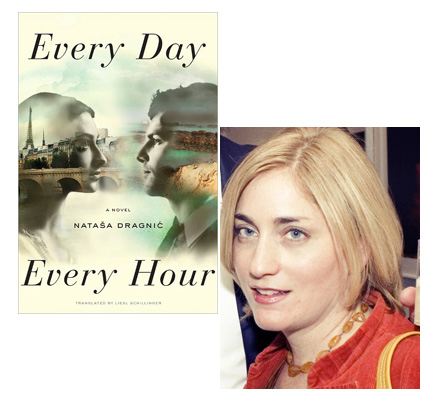
Some of you may know Liesl Schillinger as a critic for the New York Times Book Review, or seen her byline on cultural essays and articles at various other publications. She’s also a literary translator, and she spent much of last year “tweaking and ‘sanding'” an English-language edition of the debut novel by Croatian-born Nataša Dragnić, Every Day, Every Hour. The title comes from the Pablo Neruda poem “If You Forget Me,” which should give you some idea of how romantic this decades-spanning story will be—and, in this guest essay, Liesl explains a bit more about why she was so drawn to translate it for English-language readers.
I’ve translated short stories many times before—always by living authors, though I never consulted them during the translation process—but this was my first book-length translation, and the first time that the author and I discussed wording choices along the way. I worried that, given Nataša Dragnić’s proficiency in English, if I translated glücklich as “happy,” for example, rather than “lucky” (both meanings are possible), she might think I was a moron. But I knew I had an instinct for what language would go over best with English-speaking readers, and trusted that this instinct would see me through. I couldn’t let anxiety hamper my work. I believed in the novel, and in my ability to convey its emotion and vitality.
The book came to my attention serendipitously. An editor friend returned from Frankfurt in 2010 with a copy of Jeden Tag, Jede Stunde in his suitcase. It had been the talk of the Frankfurt Book Fair, he said. Would I look it over and let him know if I thought it had potential here? Reading it in German, I cried many times—the tears that come when you read or watch “The English Patient,” or “Romeo and Juliet,” or any book, play or opera about star-crossed love. Set in a Croatian seaside village and in Paris, and spanning several decades, it told the poignant and passionate tale of two creative people̶a strong-willed woman and a weak-willed man—who loved each other but couldn’t make it work. I wholeheartedly endorsed the book, and agreed to translate it.
27 May 2012 | in translation |
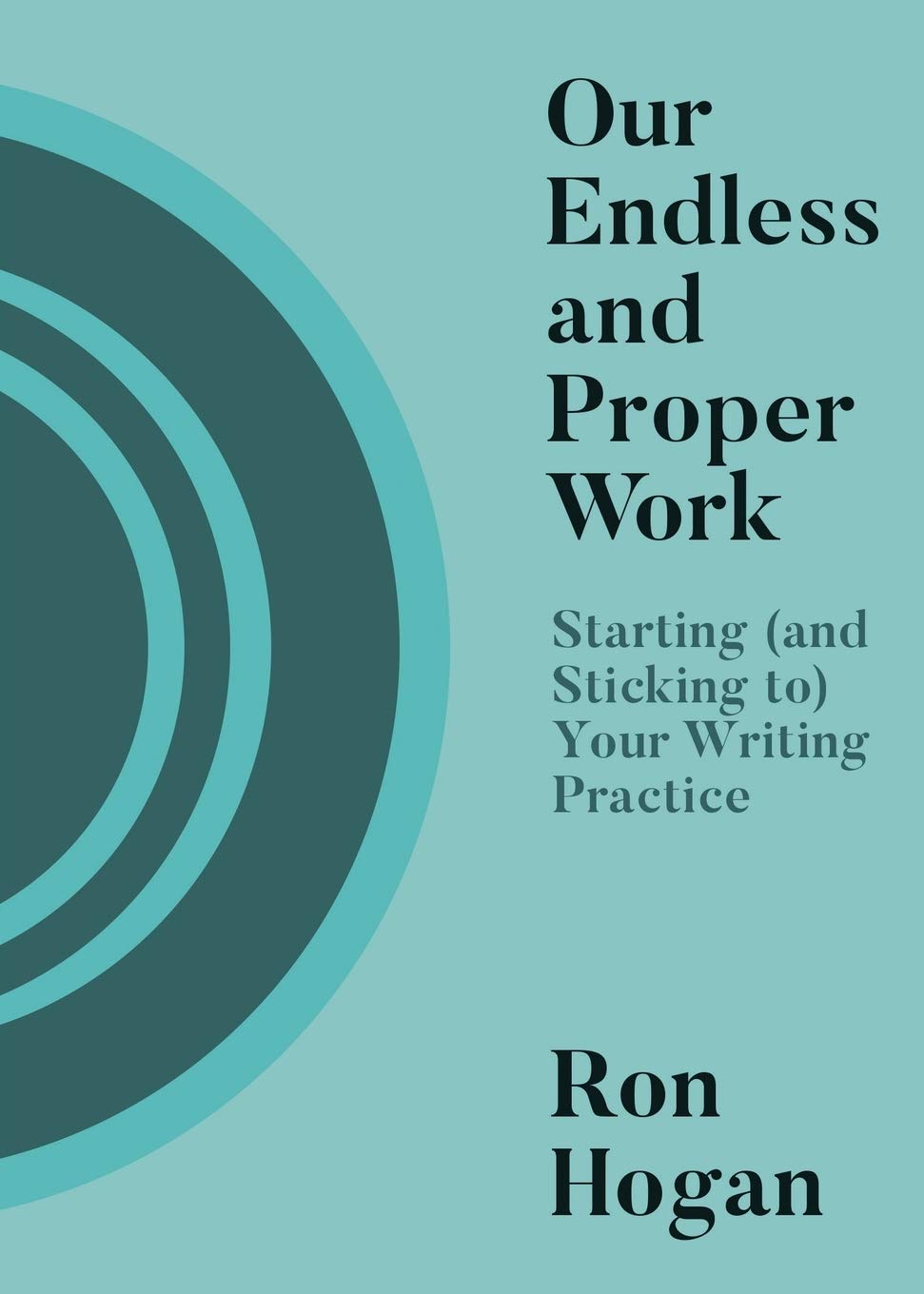 Our Endless and Proper Work is my new book with Belt Publishing about starting (and sticking to) a productive writing practice.