Moore Moran, “The Truth Concerning the Pizza in Monterey”

Custom House Cafe stood on this spot, straddling
Pier and seawall like a fisherman gaffing catch.
It was here, in ’46 that Carolos brought pizza
To the country—hand-pounding his dough flats so fine
That when he spun them at the ceiling, light
From the harbor shone through.At the great iron oven he would hand them out crackling,
Bubbling real Mafia mozzarella,
Tomato so fresh it sassed you all the way down;
Crust edges: buttery popover. Friday nights,
Ramirez and I downed two extra-largers per, hardly pausing
To pull on longnecks so cold chunks of iceStill knocked around inside the bottles. Today
You can only get pizza at the franchise parlors in town
Where the freshest thing going is the waiters.
And nobody tosses anymore. Instead, they pancake
Their wheat-germy dough through rubber wringers
Lifted from old washing machines in the junkyard.
The Room Within is the second collection of poems by Moore Moran, which also includes “On Wyeth’s Below Dover,” “Ordinary Time in the Pews” (which has also been published as “Ordinary Days”), and “That Breakfast,” all of which were published in a chapbook by the New Formalist Press. It also contains “Late in the Night,” published in The New Criterion, and “Paris, After” and “Today in Time,” both of which were also included in Moran’s award-winning 1999 collection, Firebreaks.
.
The poems in this collection were written over the course of more than five decades, along with other poems such as “Sleeping Beauty” (first published in 1956) and “The Mountain Desert” (1986).
1 August 2010 | poetry |
Alyson Hagy: The Strange Side Effects of “Paper Pills”
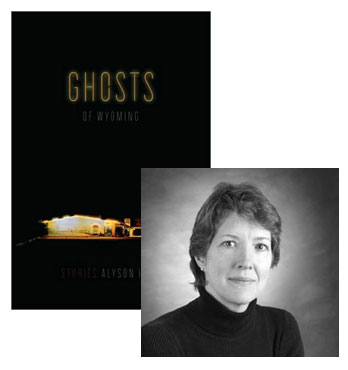
The eight stories in Alyson Hagy’s Ghosts of Wyoming may all be set in the same state, but each one has its own way of navigating that existential landscape—some stories are set in the late 19th-century, and others could have taken place earlier today; some characters are desperate to escape, while others have reached the end of their road. In her guest essay for Beatrice, Hagy has zeroed in on a story from a collection that’s even more intensely focused on exploring a single location.
It’s a strange story, and it revels in its strangeness. It doesn’t bother with scene or traditional dramatic structure. It makes no attempt to explain itself or to achieve the predictable “balance” between character development and style that I stupidly used to claim was the righteous goal of a short story.
It’s as twisted as the “twisted little apples” that serve as its central metaphor, those flawed fruits left behind at harvest, the cast-offs that harbor “sweetness” amid their deformity if you know just where to bite.
I like flawed apples.
Winesburg, Ohio is a book I go back to again and again. It’s an unruly creation. Some of its narratives are as thwarted and stunted as the characters they feature. The book has none of the certain authority of Flannery O’Connor’s A Good Man is Hard to Find. It contains none of the dash and dazzle of Ernest Hemingway’s In Our Time. Yet it’s a book I can’t shake, a town I can’t forget, the product of an artistic faith and fearlessness I want to transfuse into my own faded veins.
Who the hell writes stories like “Paper Pills” anymore?
30 July 2010 | selling shorts |
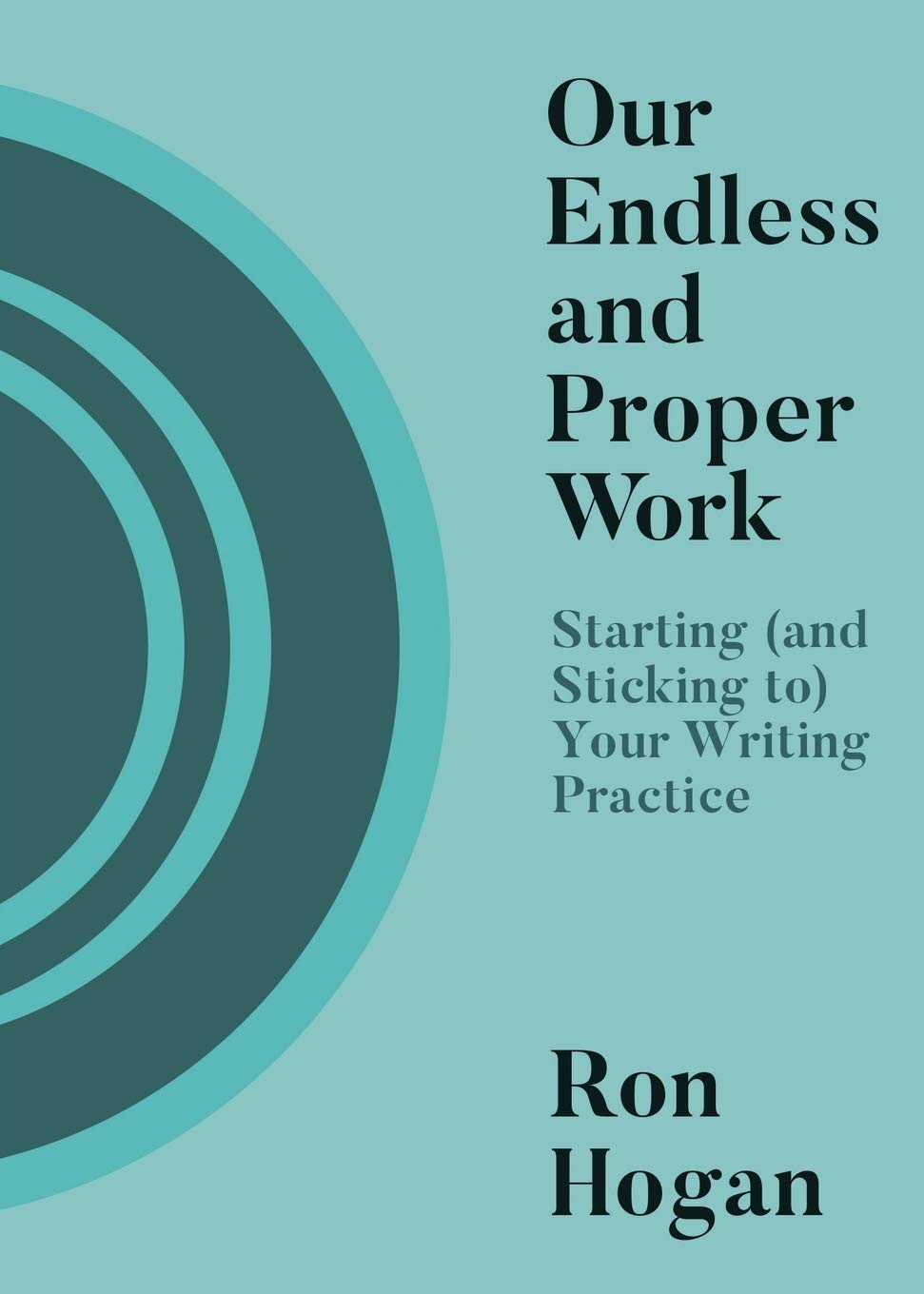 Our Endless and Proper Work is my new book with Belt Publishing about starting (and sticking to) a productive writing practice.