Ring the Bell, School’s Back in Session
 Tonight I’ll be starting my second run as the instructor of the blogging workshop at New York University’s Center for Publishing, and I’m looking forward to it—the Center and I compared notes after last year’s classes, and we hit upon a few tweaks that I think will make it an even better experience for the students. (For one thing, we’ve switched from two six-hour sessions to six two-hour sessions.) The first night is largely an introduction to the concept of blogging and some of the highlights of its short history, for which I’m really grateful that Scott Rosenberg wrote Say Everything, a book that explains “how blogging began, what it’s becoming, and why it matters.” As I mentioned last year, Rosenberg provided “a great resource for discussing the blogosphere’s roots and identifying the stand-out characteristics of the first great blogs,” and it’s a great springboard for talking about two of the key principles I’ll be sharing with students: identifying your niche subject and refining your personal voice.
Rosenberg does a great job of making technological topics accessible to non-techie readers, and his previous book, Dreaming in Code, was probably the best effort I’d read in that vein since stumbling onto the Stephen Levy classic Hackers as a teenager—an experience which made me decide that there must be something to this whole “computer” racket and pretty much set me on the path that’s led to this point.
6 October 2010 | events |
Freakonomics & the Secret to Good Book Trailers
How do you adapt a nonfiction work like Freakonomics, which is essentially a book-length description of economic principles built around a series of illustrative set-pieces? Certainly, you’d want to interview Stephen J. Dubner and Steven D. Levitt, but the producers of the Freakonomics movie, which has been available on iTunes for a while now and is gradually making its way into theaters, also brought several directors into the mix to create four short films, each tackling a different section of the book. As I watched a preview screening a few weeks ago, I was reminded of a marketing principle I used to write about frequently at GalleyCat. “When is a book trailer not a book trailer?” I once asked. The answer: When it’s a human interest story.
(Note: I’m not using the film’s trailer as an example of this, but I wanted to have something for people who haven’t seen the film yet to look at, and you’ll catch glimpses of the things I discuss in the following paragraphs.)
The parts of the Freakonomics film that are most effective are the ones that ground Levitt and Dubner’s economic principles in compelling narratives: Alex Gibney (the director of Taxi to the Dark Side) probes the history of cheating in Japan’s top sumo wrestling leagues, while Heidi Ewing and Rachel Grady (Jesus Camp) follows two Chicago-area ninth-graders at a school participating in a study which financially rewarded students for getting good grades—a study that was not in the original book. Each filmmaking team finds people intimately connected to the situation (or who at least can speak very powerfully about it), turns the camera on, and lets them tell their stories. The Ewing-Grady segment is particularly effective because the directors impose themselves on the unfolding narrative even more lightly than Gibney does; he’s rolling out a solid investigative journalism piece, but they’re more fly on the wall.
4 October 2010 | theory |
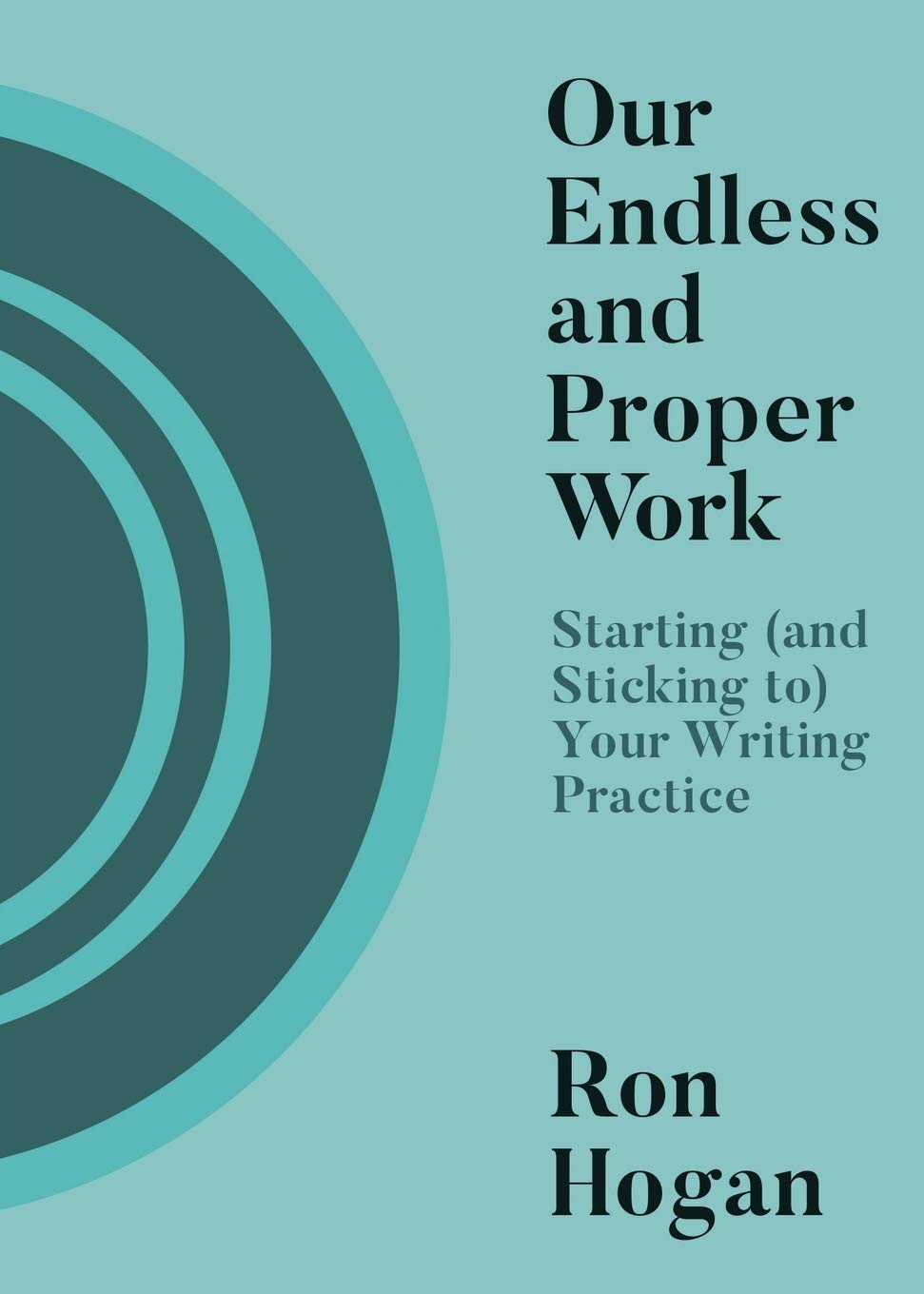 Our Endless and Proper Work is my new book with Belt Publishing about starting (and sticking to) a productive writing practice.