Charlotte Mandell: Living Inside The Kindly Ones
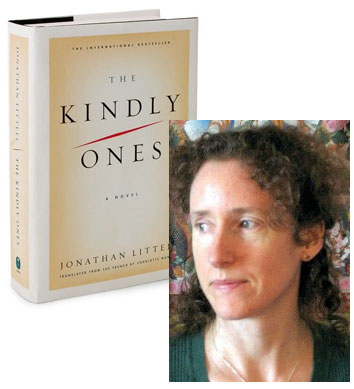
The publication of Jonathan Littell’s The Kindly Ones has created what amounts to the biggest controversy among American book reviewers since Alice Sebold’s The Almost Moon—as with that book, it’s almost not enough to have an opinion about the story, you’re also compelled to formulate a moral argument for or against it as well. But what does the woman who’s probably read the novel more closely than anybody else in the United States have to say about it? I asked Charlotte Mandell, who translated the novel from the French, to discuss her reactions to the text as she was translating it, and she was kind enough to send this essay in response.
People talk about ‘free translation’—and they usually mean something that I’d judge sloppy or pretentious. For me, my real freedom as a translator is to follow strictly, alertly, joyfully, the moves and rhythms of the original text. I want the reader to know exactly what the author thought—and when he thought it. That means I want the translation to present ideas, images, events in as close as humanly possible to the order in which those ideas, images, events occur in the original. I want the reader to hear the author think.
And to do that, I have chosen to translate right from the start of the text: I do not read ahead. I don’t read the book before I translate it. I don’t want to know what it means before I go through the actual formation of its meaning word by word. In that way, I not only try to keep the reader in mind (so that if I come to a puzzling passage I can guess the reader will be puzzled too, and I’ll try to find the best words to make the passage clear), but I also have the tremendous experience of, so to speak, accompanying the author in the act of composition. I follow at his pace, and go through his discoveries.
(Of course, once I’ve finished my first translation, I revise extensively, so that I end up with three or four complete drafts of the text before I’m happy with the final version. I also save most of my research till the end. In the case of The Kindly Ones, Jonathan had generously sent me a DVD that included interesting archival material—recordings of Eichmann’s speeches, footage of some of the camps after they’d been liberated, articles that appeared during WWII—so I studied that after I’d finished my first draft.)
So as I started translating The Kindly Ones, I came right away at the opening phrase, Frères humains… human brothers. And while a lot of reviewers have (rightly enough) been reminded of Baudelaire’s “hypocrite reader, my likeness, my brother,” Littell’s first words themselves echoed the first words of one of the most famous of French poems, François Villon’s Ballad of the Hanged: “Human brothers who live after us / Don’t harden your hearts against us / but pray to God that He may pardon us.”
Villon’s poem speaks in the voice of a felon on the gallows. Littell’s use of this phrase, making it the first thing that Max Aue says, turns out to be a rich anticipation of two important themes in Aue’s account: confession and exculpation. Villon’s felons about to be hanged are guilty, that’s why they’re on the gallows, but they are our brothers, and need our compassion and forgiveness. So we can anticipate that Aue will be avowing his crimes—but also in a sense excusing them by appealing to what is finally a major premise of his story: There is no such thing as inhumanity, there is only humanity.
14 March 2009 | in translation |
Lady Jane’s: As Featured in the New York Post!
NY Post reporter Mandy Stadtmiller came to Lady Jane’s Salon, the romance novel reading series I help run as a monthly fundraiser for Share the Love, and the interviews she got there became part of an article about how romance thrives even in this publishing climate. Another result of the evening: This video, in which I make a brief appearance along with Sarah Wendell of Smart Bitches, Trashy Books, and Lady Jane’s co-creators Maya Rodale and Leanna Renee Hieber. (I believe you will see an ad first; can’t be helped. Oh, and apologies to RSS readers who aren’t seeing it all and will have to click through.)
Maya’s going to be reading from her second novel, The Rogue and the Rival, at the next Lady Jane’s Salon, on April 6, and I hope you’ll come by Madame X (94 W. Houston St) at 7 p.m. to see for yourself how great the series is.
12 March 2009 | lady jane's salon |
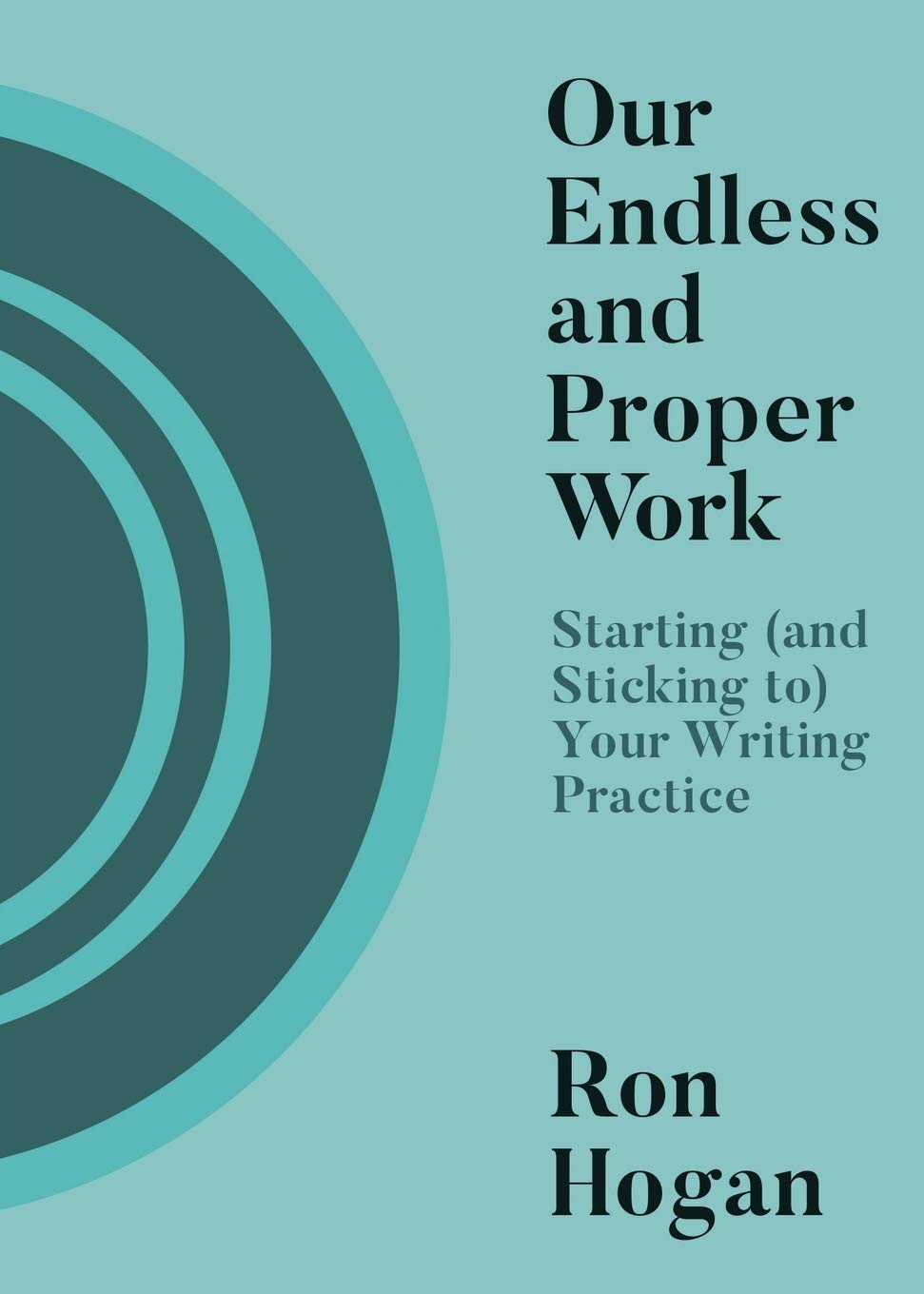 Our Endless and Proper Work is my new book with Belt Publishing about starting (and sticking to) a productive writing practice.