Lisa Unger & The Heart of the Story
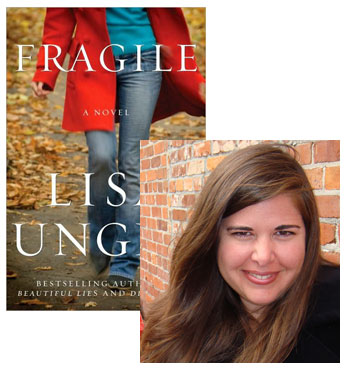
If you’ve been reading Beatrice long enough, you’ve probably figured out that I don’t care too much about genre labels—as far as fiction is concerned, it’s all just one big stack of stories to me, and what matters is: Is it told well? Lisa Unger’s essay about the origins of her new novel, Fragile, speaks to the arbitrary barriers publishers, bookstores, and critics use to keep some books separate from others, but it’s also about how stories can come to writers who aren’t quite ready to tell them, and what happens when those stories won’t go away.
Once upon a time, an editor I had respected and from whom I had learned quite a bit suggested, as she turned down my novel, that I make some decisions about myself. In fact, what she said precisely was, “Lisa, you have to decide what you are. Are you a literary writer? Or are you a mystery writer?”
I didn’t really consider myself either one of those things; I had never endeavored to define myself as a writer of anything but story. When I began my first novel at the age of nineteen, I didn’t sit down to write a mystery novel or a literary novel. I was just writing what I wanted to write… and that was a story about a troubled woman who had chosen a dark profession to try to order the chaos she perceived in her life and in the world. There was a psychic healer, a former FBI agent, and a high body count. So, yes, I supposed when the book was done, it was in fact a mystery—or a maybe a thriller. Possibly, it was crime fiction. The point is: When my fingers were at the keyboard, the question of what space it would occupy on the bookshelf simply never occurred.
It took me ten years to finish and finally publish that novel, and then I published three more “mystery novels” under my maiden name Lisa Miscione. They were small books, based on an idea that I had when I was really too young to be writing books. Though they will always occupy a special place in my heart, I consider them the place where I cut my teeth, honed my craft and became a better writer.
Now, with eight novels on the shelves, one about to be published, and my tenth nearing completion, I still don’t give too much thought to who I am as a writer, what kind of books I’m writing. I am published in a place where people support the evolution of my fiction. At Shaye Areheart Books, I have never been asked to define myself or to change how and what I write. So when my wonderful editor said how different she thought Fragile was, her statement wasn’t followed (thankfully) by “We can’t publish this.” Still, the idea that the novel was not like what came before it caught me off guard. Wasn’t it? It didn’t feel different when I was writing it. Though I did have a sense that it was heftier in some way, harder to manage.
19 July 2010 | guest authors |
The BookExpo America Authors Reading Club
Two months ago, at BookExpo America, I conducted an interview with Pat Conroy and Patrick Hennessey touching upon the books they have coming out later this year: Conroy’s My Reading Life and Hennessey’s The Junior Officers Reading Club. I was delighted by the opportunity to take part in this conversation; over the course of fifty minutes, I heard some wonderful, inspiring stories from both authors—and being on hand as Conroy, who has been connecting with readers for four decades, dispensed some powerful advice to Hennessey on the eve of his American debut (his memoir is already out in the U.K.).
I hope you enjoy watching (or listening to) this interview as much as I enjoyed participating in it. And thank you to BookExpoCast.com for sharing this event, and many other events that took place at this year’s convention, with us.
18 July 2010 | interviews |
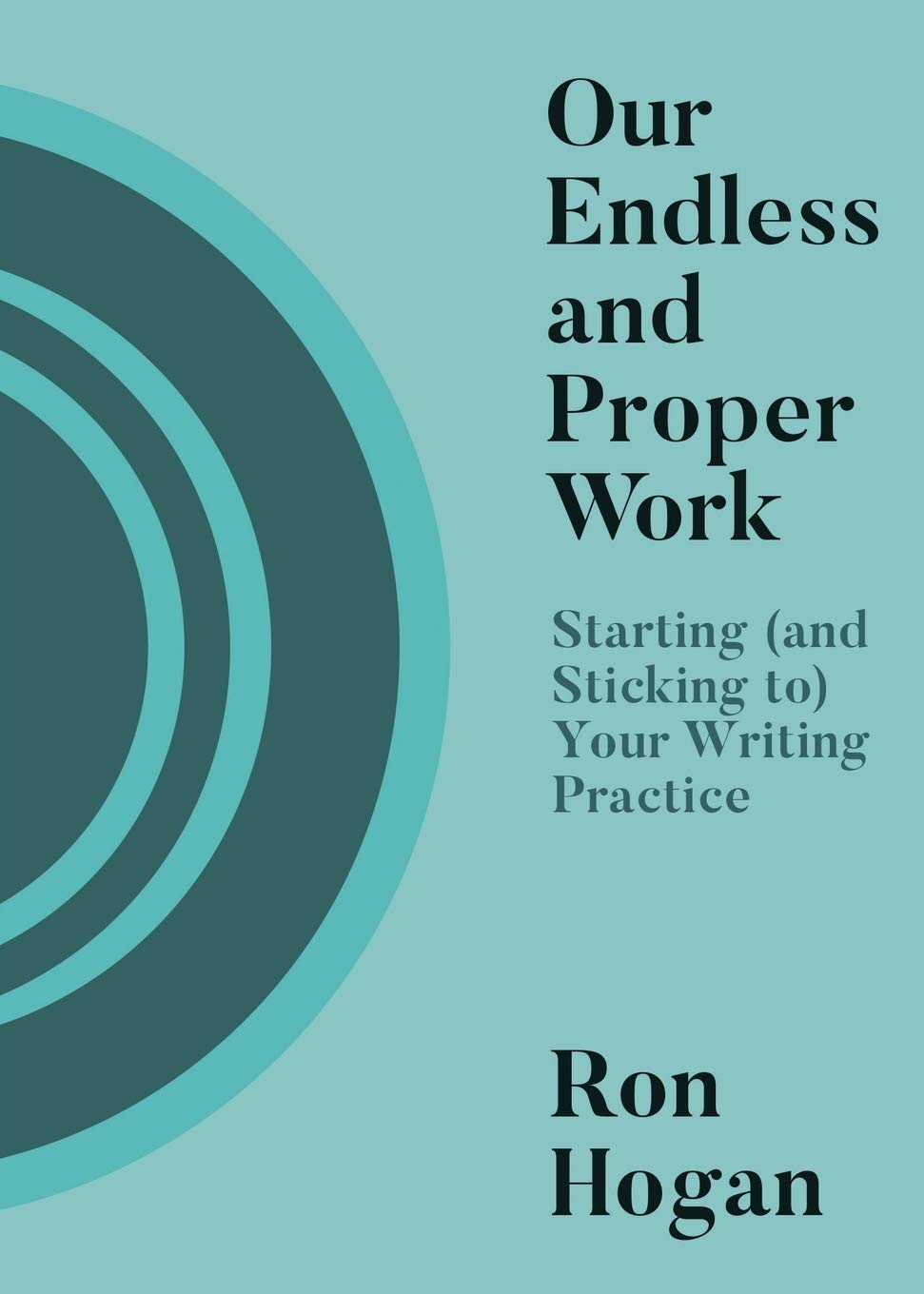 Our Endless and Proper Work is my new book with Belt Publishing about starting (and sticking to) a productive writing practice.