Greg Mortenson: Not a Publishing Scandal
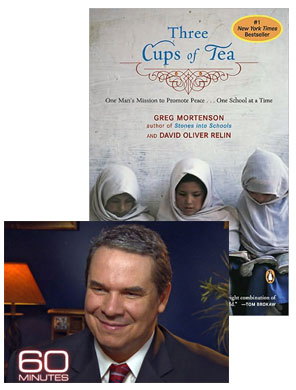 About a month ago, I was checking out one of the display tables at a local Borders when I discovered that Greg Mortenson’s two books about building schools for impoverished communities in Pakistan and Afghanistan, the bestselling Three Cups of Tea and its follow-up, Stones into Schools, were available in a “buy one, get one 50% off” promotion. I’d been meaning to read them for a while, for an essay I’ve had in mind, so I picked them up, but I’ve been working on other projects, and I still hadn’t read them when, last Friday afternoon, I saw a story in Jacket Copy, the LA Times book blog, about a 60 Minutes investigation into Mortenson and his non-profit organization, the Central Asia Institute.
The case against Mortenson is twofold: One, that he seriously distorted key elements of his life story to boost its inspirational qualities; two, that his charitable foundation spends a lot more money promoting Greg Mortenson than it does building schools in Central Asia. I’ve been through a couple of these “fake memoir” scandals before, so I spent some time yesterday afternoon talking with The Daily Beast about how this might affect the publishing industry. I didn’t wind up in the final cut of that story, but I can give you my short answer: Probably not very much, really. The 60 Minutes segment was primarily concerned with Mortenson’s alleged lies, and had nothing meaningful to say about the role of Viking and Penguin in disseminating those alleged lies as his publishers. That’s fine: They undoubtedly believed in the commercial potential of Mortenson’s inspirational story, and wanted it to be as true as it was presented to them as being, and had little reason to doubt it was true. So, with any luck, we’ve been spared the ritual hand-wringing about what is to be done about the fake memoirs this time around.
And, yet, it’s not as if there weren’t any signs this day might come…
18 April 2011 | uncategorized |
Author2Author: Tom Payne & Zachary Mason
It’s been a long time since we’ve had an Author2Author conversation on Beatrice, but a few months back, when I received paperback copies of Fame: What the Classics Tell Us About Our Cult of Celebrity and The Lost Books of the Odyssey relatively close to one another, I got to thinking that it would be fun to pair Tom Payne and Zachary Mason up and get them talking about our continuing relationship with the classical world, then see where the philosophical trail led them. (After they’d been talking to each other for a bit, I picked up on an idea that had been mentioned about reality television taking inspiration from mythology, and they ran with that, too!)
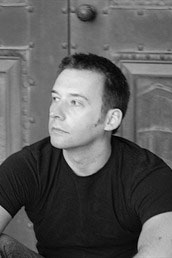 Zachary Mason: Your book draws parallels between modern celebrities and the Greek Olympians, twelve powerful gods whose spheres of influence cover more or less all of human experience. If there were twelve celebrity Olympians, who would they be, and what would be their spheres of influence?

Tom Payne: I’ve been reading your book with unpardonable stealth, and am greatly admiring it. I’m glad of your question, too, about modern equivalents to the Olympian gods. It’s really tempting to rattle off some answers (although I’ve been mulling this one over for a while now), but maybe I’ll hold back, (a) to maintain some suspense; (b) because who does what Artemis does?—certainly not Miley Cyrus; but mostly (c) because, now that I’ve been reading your book, I’m wondering if something big lies behind it, and I’d like to ask a question of my own.
About The Lost Books of the Odyssey: it’s splendidly unsettling. Your prose has all the calm and magic of myth, so that I’m seduced into the story-telling, so that your inspired deviations from the turns those myths take can startle the reader into thinking, “Hey, that’s not what happened! This would change western civilisation as we know it!” It makes me wonder how things would be if we had different myths.
Which leads me to my question—one I think would exercise us both. What do you think myth is for?
15 April 2011 | author2author |
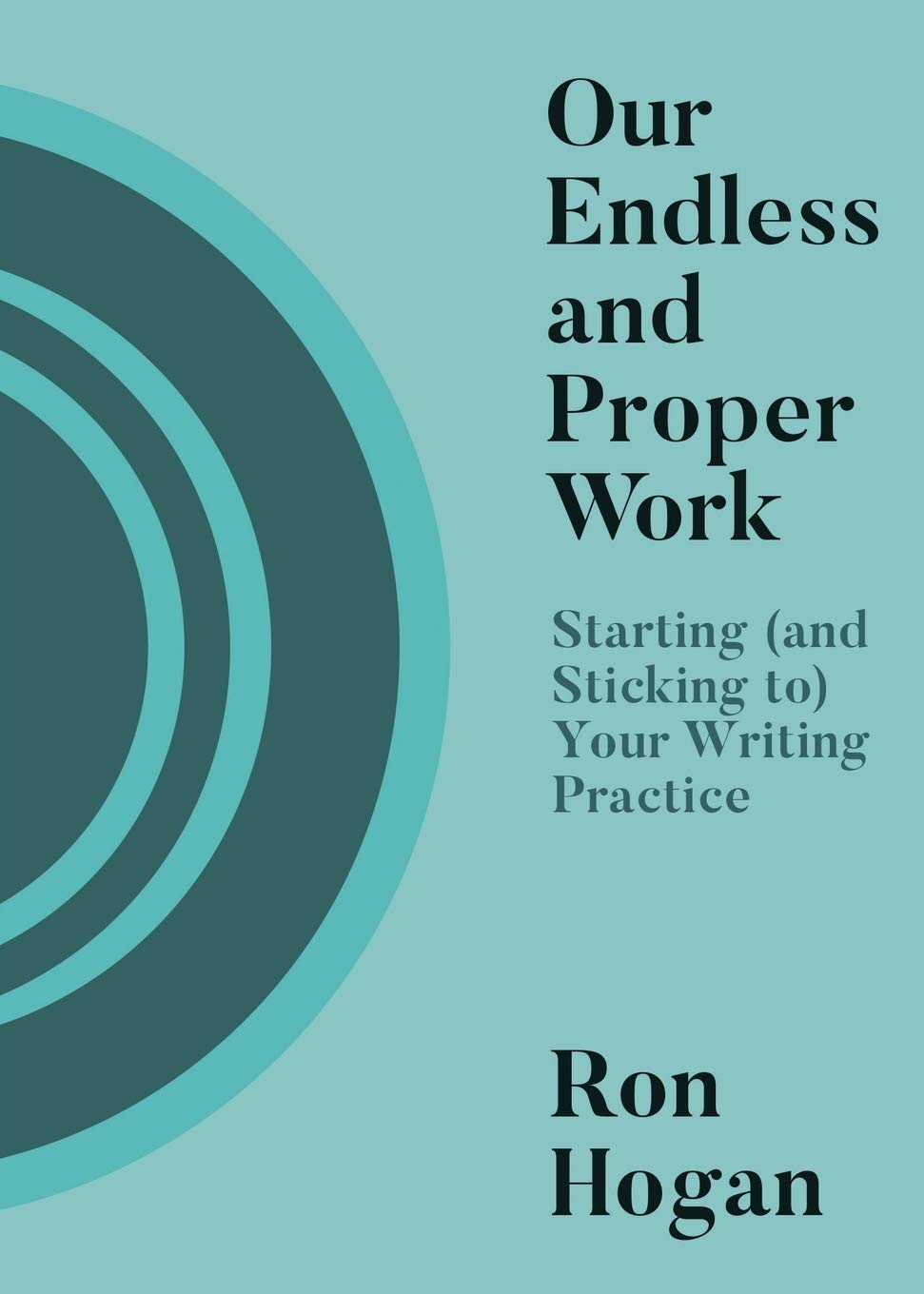 Our Endless and Proper Work is my new book with Belt Publishing about starting (and sticking to) a productive writing practice.