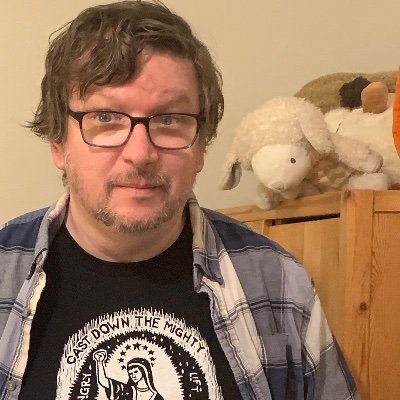
Peter Geye Builds a Patio
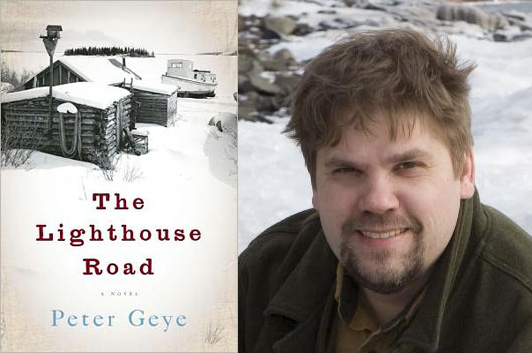
Photo: Jeff Fifield
The Lighthouse Road, the second novel by Peter Geye, opens strong, with a woman making her way through a late 19th-century blizzard to give birth to her son, then jumps forward 20-some years for another vivid scene where that young man struggles to negotiate a skiff full of bootleg whiskey across a lake in the dead of night—and continues to cross back and forth as the story unfolds. I could give you a clever architecture metaphor for this, but the fact is, Geye’s already got one way better than anything I could come up with, and he shares it in this guest essay about a non-literary activity that turns in a moving description of an experience anyone who’s ever embarked on a big creative project will recognize.
There is, I assure you, more than one way to lay a patio.
This spring, after suffering through a home remodeling project that had consumed our lives for the better part of nine months, I decided to undertake the culminating job of laying the patio in the backyard myself. My wife didn’t like the idea. Not at all.
But I wanted a share of satisfaction in the completed project. I wanted to sweat and wear holes in leather gloves. I wanted to hoist six pallets of bricks from one side of my yard to the other. I wanted to finish laying the patio, crack a cold beer, and sit on that patio, admiring my work. After all, I’d just spent those same nine months finishing my second novel. I was ready to get off my ass. Ready for a new kind of tired. And I was ready, frankly, to find a distraction from the anxiety that came with the inexplicably sudden realization that the new book was out of my hands, and would soon be in the hands of readers. I can’t say if this anxiety greets other authors as they take their hands off their work, but it hit me, well, like a ton of bricks.
I’d taken chances in The Lighthouse Road that I’d not had the courage to in my first novel. I’d ventured into a woman’s point of view. I’d added more than a hundred years of history between my characters and myself. I’d taken on subjects that required serious and difficult research and wrote about topics that scared the hell out of me. I tried to write with a new voice. And I’d told the story in an entirely nonlinear way. As is so often the case in my writing life, these decisions were more happy accidents than deliberate decisions. Which only seemed to make the book more difficult to live with once it was out of my hands. My insecurities were roiling up like a stormy Lake Superior.
So, I grabbed shovel and started digging a hole.
4 October 2012 | guest authors |
Don Bajema Slips Back into the Twilight Zone
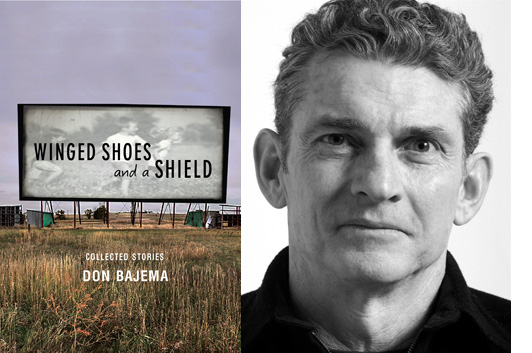
photo courtesy City Lights
When I received Don Bajema’s collected short stories, Winged Shoes and a Shield, I knew I wanted to have him as a guest author here at Beatrice. Usually, for short story writers, that means talking about a particular short story that’s meaningful or influential to them—but Bajema had another idea about the stories that molded his imagination. He makes a powerful point; as someone who’s only ever experienced The Twilight Zone in reruns, and these days primarily in nostalgic “marathon” showings, it can be challenging for me to remember just how challenging and provocative the best episodes were when they first aired. Don Bajema helps me (and maybe you!) remember.
Being asked to speak to a major literary inspiration or influence increases my heart rate at the prospect of leaving so many out. So I’ll look back to the seminal influences and skip many breath-taking works and those many moments I’ve gazed up from the page with admiration.
Reading Mark Twain’s Huckleberry Finn as a third grader inspired me to walk barefoot to school along deer trails in San Diego imagining steamboats rounding canyon walls in the hope I was escaping the effects of civilization. For months, all black asphalt was a slow running river, cars were boats afloat and my sole purpose was to escape school, avoid work, formulate adventures, and stay outside after dark. As the Mississippi ran through Southern California I did my utmost to live up to the code of boyhood Huck had bequeathed us.
Then came a thirty-minute television program on a weeknight, was it Thursday? Or maybe we were so enthralled with the show that a Friday night viewing would stretch through the weekend into Monday morning and guarantee generating a chattering all-at-once conversation by asking, “Oooo, did you see The Twilight Zone?”
Delicious subversion! Mind-bending premises, twists of fate, comeuppance and lessons begging for debate embedded into the outcomes. Everyone knows the Burgess Meredith tragedy. Standing in the rubble of a post-nuclear storm—the bleak set design taken from photographs of Hiroshima or Nagasaki—poor Burgess amid a sea of books wanting only to read, his thick glasses shattered by his own footstep crying, “It’s not fair, it’s not… fair. It’s just not… fair.” We were, ourselves, in the days of duck and cover drills, and every Tuesday noon the sirens wailed from sea to shining sea. Americans from cityscapes to suburbs were supposed to remember the locale of the nearest bomb shelter.
I hope that by citing a network television show as literary influence I’m not making myself appear pedestrian, uninspired and unimaginative.
2 October 2012 | guest authors |
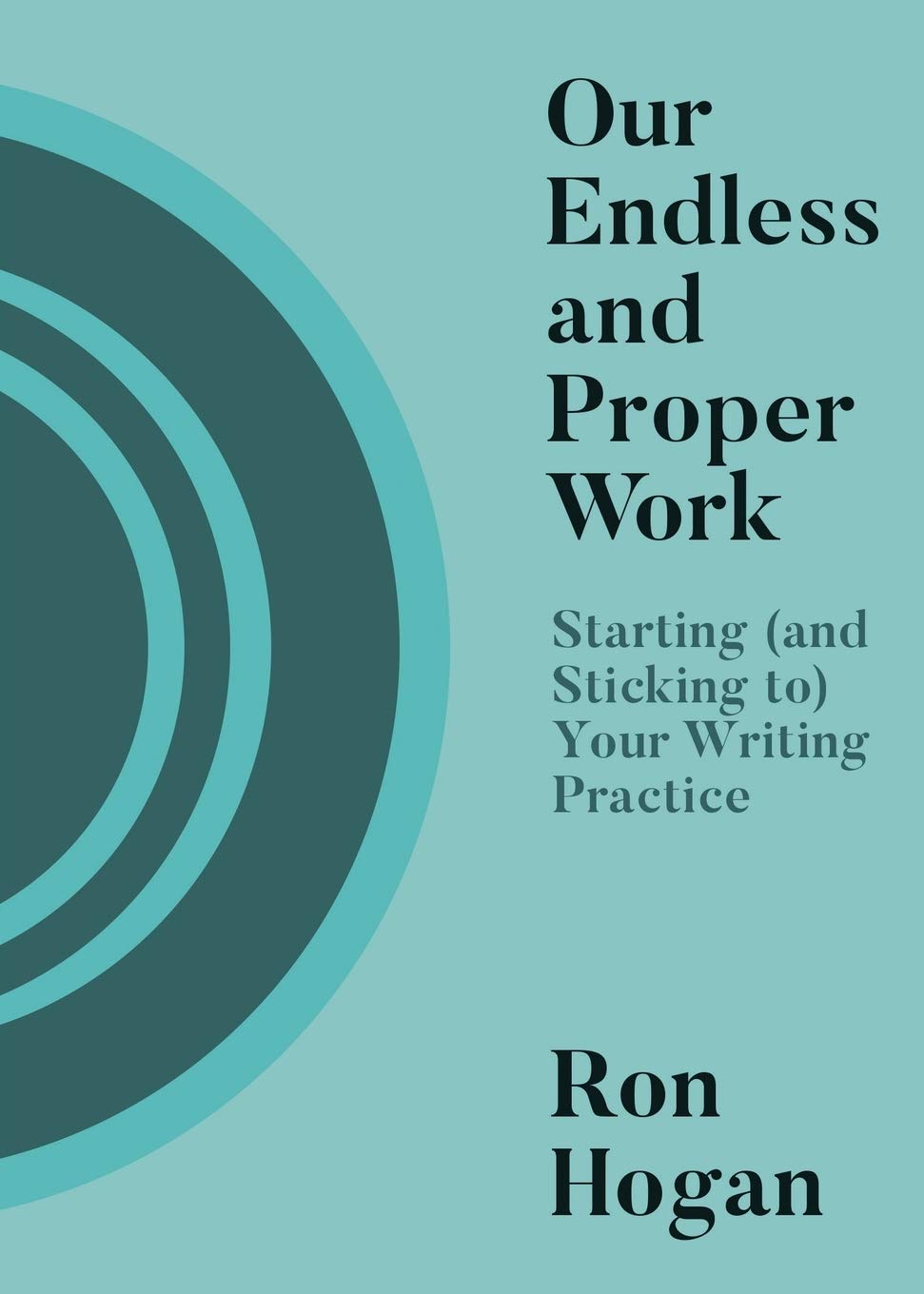 Our Endless and Proper Work is my new book with Belt Publishing about starting (and sticking to) a productive writing practice.