Jody Gladding & Elizabeth Deshays: Two Translators Take On The Eleven
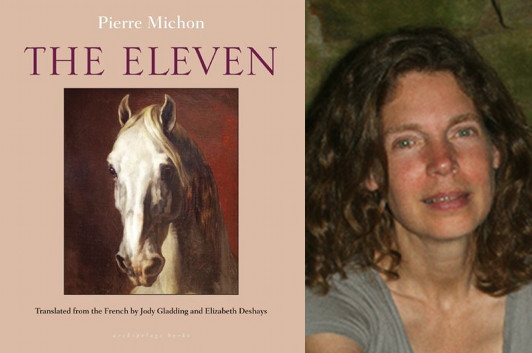
photo via Jody Gladding
Pierre Michon’s The Eleven is the story of a French painter who never existed: Corentin, “the Tiepolo of the Terror,” so called because of his most famous work, a group portrait of the 11 members of the French Revolution’s Committee of Public Safety. This short novel is essentially a monologue in which the narrator, addressing a gentleman viewing this painting in the Louvre, delivers a fairly opinionated account of Corentin’s life and work. The Eleven is co-translated by Jody Gladding (pictured above) and Elizabeth Deshays, and so one of my first questions for them was what drew them to translate an author like Michon as a team, let alone as an individual project…
Elizabeth: How did we come to Michon? Well, I suppose that it would be more accurate to say that he came to us. Jody, you had been commissioned to translate Vies Minuscules after the original translator abdicated. You had started to look at the text and asked me for help, hoping that my many years in France would enable me to throw some light onto the first of these Small Lives. I can still remember the passage, and my bewilderment, the feeling of not knowing how to begin. Of course, we recognised and understood the words, the sentences, but from there to what he was trying to say… And who was this writer anyway? (To my shame, I had not then read any of his works). My instinctive reaction was one of rejection.
Yesterday, I reread that passage. I was astonished. What had seemed so inaccessible at that first reading? The text was immediately clear to me, I knew what every image, every metaphor was referring to.
The explanation, of course, is that, three Michon translations on, we now know the man. For Michon, though he in no conventional way could be described as writing autobiography, nevertheless always writes about himself; the obsessions, traumatisms and aspirations which make him what he is are always, at the deepest level, the real matter of his work, though it may, more superficially, take on the guise of something resembling biography (Rimbaud le Fils), legend (Contes d’Hiver) or historical novel (Les Onze).
4 March 2013 | in translation |
Life Stories #25: Cynthia Zarin
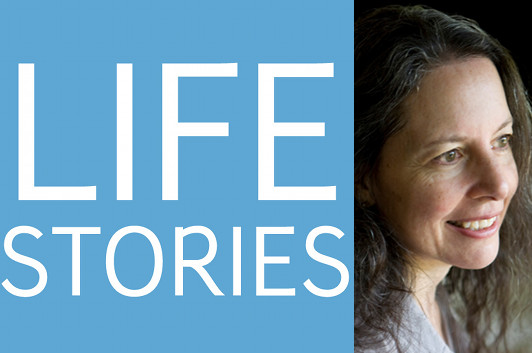
photo: Sara Bennett
In this episode of Life Stories, the podcast series where I talk to memoir writers about their lives and the art of writing memoir, Cynthia Zarin explains why An Enlarged Heart isn’t really memoir but rather “personal history,” and from there we talk a bit about how a 400-word magazine item gets expanded into an 8,000-word personal essay, the ghost maps of memory that we carry around the cities where we live, and how the types of children’s books she’s written have changed as her children have gotten older—among other topics.
In reviewing the “tape” of this conversation, I was especially struck by her response to the question about whether there were other personal essayists whose voices she saw as a model to keep in mind while she was working on the essays in this collection: “Of course, and no.” And, too, her refusal to give in to the anxiety of influence and just concentrate on refining the voice with which she felt most comfortable, whoever else it might remind some hypothetical reader of.
Listen to Life Stories #25: Cynthia Zarin (MP3 file); or download the file by right-clicking (Mac users, option-click).
1 March 2013 | life stories |
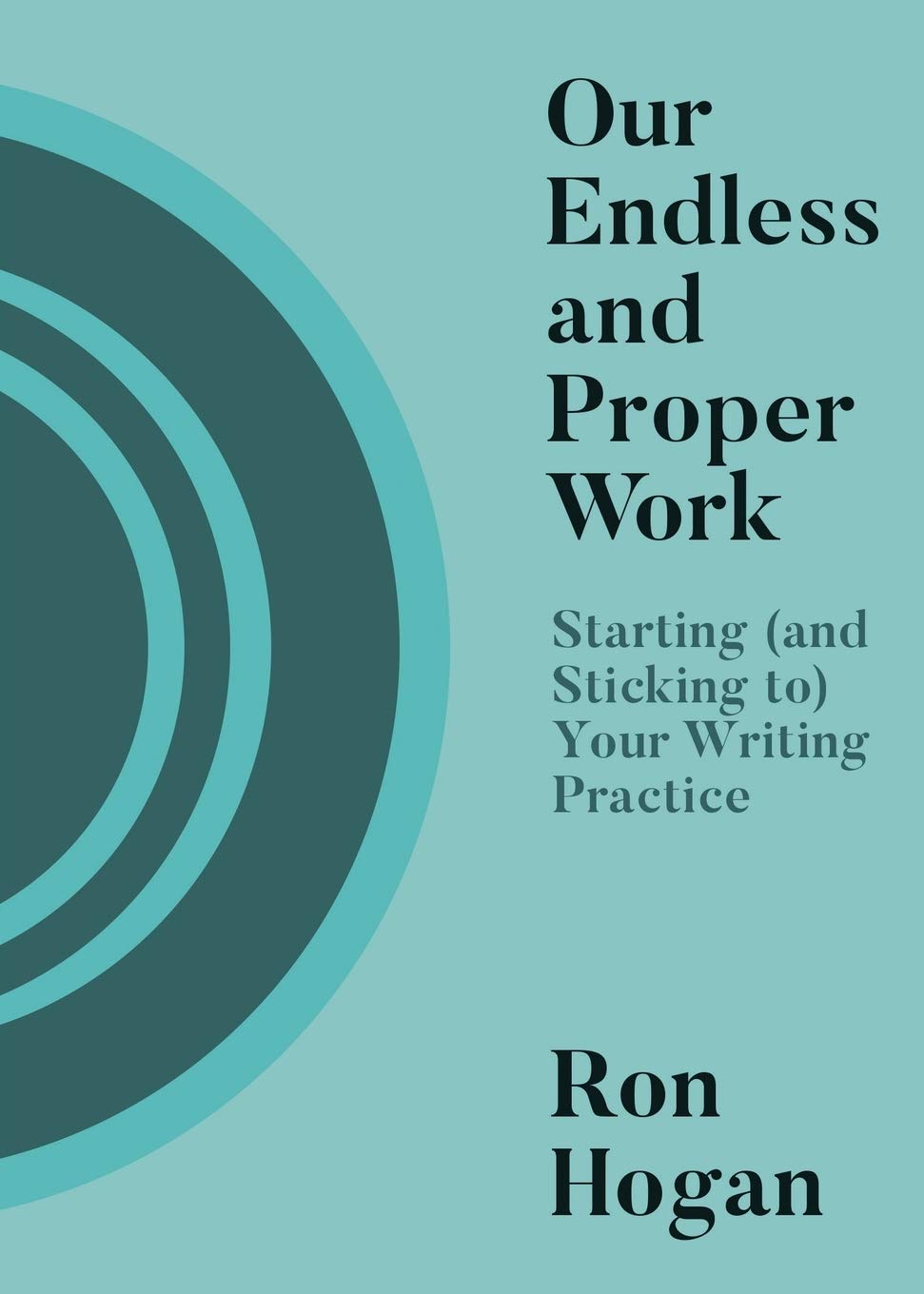 Our Endless and Proper Work is my new book with Belt Publishing about starting (and sticking to) a productive writing practice.