
Life Stories #30: Beverly Donofrio
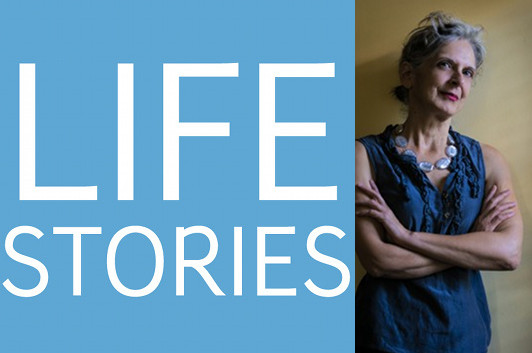
photo: Bill O’Leary
In this episode of Life Stories, the podcast series where I interview memoir writers about their lives and the art of writing memoir, I had a reunion of sorts with Beverly Donofrio to discuss her third memoir, Astonished. When we met a little over a decade ago, I interviewed her about another memoir, Looking for Mary, which discussed the start of her devotion to the Virgin Mary. This time around, Beverly decided she wanted to enter into a monastic retreat—she had already begun the search for a suitable spiritual community when she became the victim of a serial rapist in the small Mexican city where she lived. So, as we discuss, that rape was not the impetus for her retreat, but it profoundly informed the experience.
We talk about how her time in various monasteries brought about a new understanding of her relationship with Jesus, which has taken on vivid dimensions, and about how she decided to approach the act of spiritual withdrawal:
“When I was going off to the monasteries, I made a promise to myself that I would not be taking notes. I would not be taking notes thinking I’m going to write about this. I knew, since I’m a memoirist, I most likely would, but I did not want to compromise the experience. I wanted it really to truly be just about me being close to God, whatever that meant… It’s kind of like the difference between going on a vacation without a camera and going on a vacation with a camera. I can’t help but write, so I would take notes now and then, but I didn’t really start writing about this… for two and a half, almost three years.”
If you enjoyed the previous Life Stories with former nun Mary Johnson, I think you’ll find my conversation with Beverly equally fascinating. (And if you haven’t heard that other episode yet, I encourage you to check it out!)
Listen to Life Stories #30: Beverly Donofrio (MP3 file); or download the file by right-clicking (Mac users, option-click).
8 April 2013 | life stories |
Life Stories #29: Mary Johnson
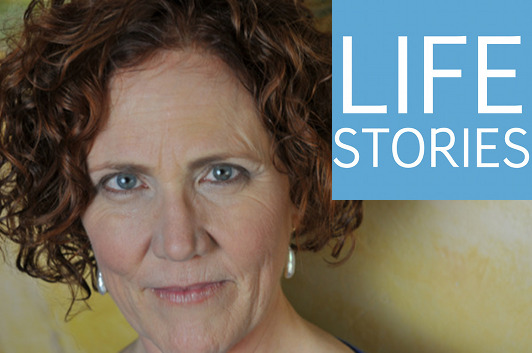
photo: Rachel Aidan
In this episode of Life Stories, the podcast series where I interview memoir writers about their lives and the art of writing memoir, I meet Mary Johnson, who spent nearly two decades in Mother Teresa’s Missionary of Charity, which she writes about in An Unquenchable Thirst. We talk about the urge to help the poor that drew her to a nun’s life, and whether or not the Missionary gave her the best opportunity to do that; we also discuss the warnings young Mary received against forming “particular friendships” with her fellow sisters, and how those instructions sailed right over her head, leaving her open to be seduced by a manipulative nun later in her career. (I ended up referring to her time with the Missionary as a “career” because I couldn’t think of a better word to describe it…) And we talk about why she decided to leave the order, and what she’s been up to in the years since, including her work as the director of the A Room of Her Own Foundation.
I observed that Johnson had left the order shortly after Christopher Hitchens had published his critique of Mother Teresa and her works, The Missionary Position, and that while she made many of the same points about Mother’s limitations as a social reformer, she also brought a more personal perspective to the subject. She agreed:
“He was right that Mother Teresa took money from anybody—from the Duvaliers, from Castro… She took money from Charles Keating and refused to give to back to the people whom he had cheated to get that large, substantial sum that he donated. Christopher Hitchens had all those facts right, but I don’t think he really understood Mother Teresa’s motivations. He called her a hypocrite, and I don’t think she was. I think she really firmly believed in what she was doing, she was trying her best. She did have limited understanding. She was born in 1910 in Albania; there were a lot of things that she really didn’t grasp. But I never found anything in her that was hypocritical.
“And what was interesting to me about Hitchens was that in 2007—so, ten years after Mother Teresa’s death—he read the letters that she had written to her spiritual directors very early on, letters in which she talks about her doubts, about her soul feeling tormented. Hitchens publicly revised his opinion about Mother Teresa, in that he took back the hypocrite word and said, basically, he thought she was a true believer and she was trying her best and she was… manipulated by the Vatican, was the way he worded it, and I think that was very accurate.”
Listen to Life Stories #29: Mary Johnson (MP3 file); or download the file by right-clicking (Mac users, option-click).
30 March 2013 | life stories |
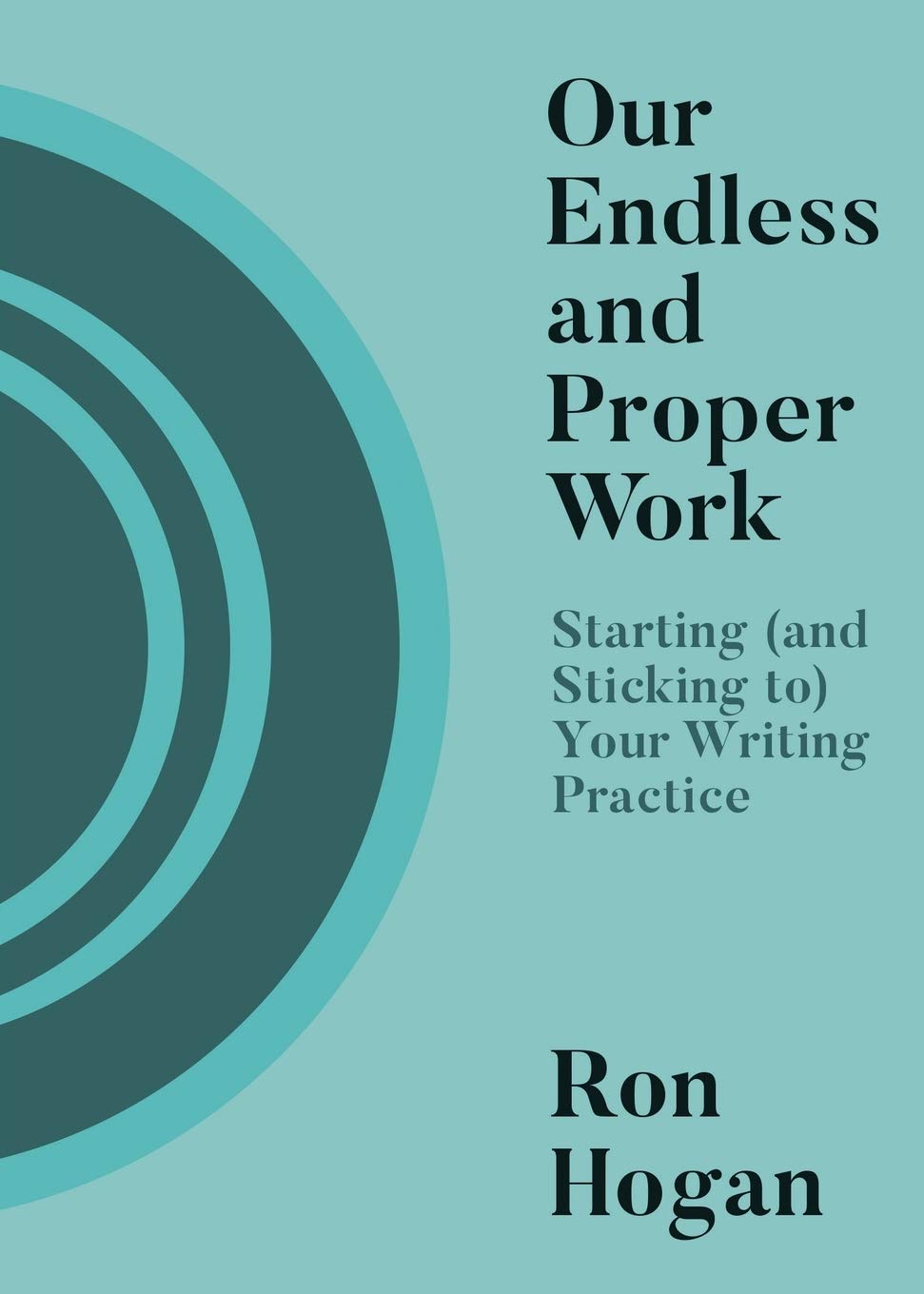 Our Endless and Proper Work is my new book with Belt Publishing about starting (and sticking to) a productive writing practice.