Life Stories #36: Alysia Abbott
Subscribe to Life Stories in iTunes
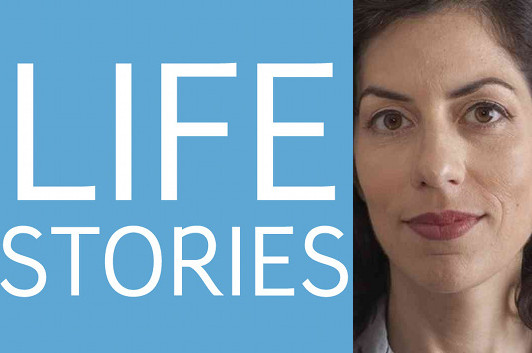
photo: Amber Davis Toularentes
My guest on this episode of Life Stories, the podcast series where I interview memoir writers about their lives and the art of writing memoir, is Alysia Abbott, and Fairyland is “a memoir of my father,” in which she writes not just about her life as the daughter of a single gay father but—drawing upon her father’s personal papers—comes to a better self-understanding of his life before her birth and then, following the death of his wife, in the San Francisco of the 1970s and ’80s. She’s then able to share that understanding with us, and the dual perspective, capturing both her incomplete youthful perspective and her later awareness, is powerful stuff.
During the interview, we talked about Fairyland as a facet of queer history, and I mentioned how, in the 1980s time frame she’s writing about, gay people were still, as I put it, “semi-mythical creatures” to much of America; we knew they were said to exist in the big cities, but it’s not like we’d actually ever met any. (Of course, it turned out that we probably did know some gay people but, thanks to a combination of our own naïveté and their discretionary silence, wouldn’t know it until years later.) She discusses how, even in San Francisco, she didn’t have other examples of gay fathers that she could look to and see that she wasn’t alone which, compounded with ordinary teenage resentment of our parents, created a potent emotional whirlpool.
As I was editing this podcast, and coming across that section, I was reminded of a passage in a recent Beatrice post, where Christopher Bram wishes he and other gay novelists had more straight readers: “We have terrific stories to tell—and they’re not only about sex. They’re about being different and trying to fit in and being misunderstood—stories that anyone can identify with.” Alysia Abbott’s memoir of life with her father is a wonderful story in that mold.
Listen to Life Stories #36: Alysia Abbott (MP3 file); or download this file directly by right-clicking (Mac users, option-click). You can also subscribe to Life Stories in iTunes, where you can catch up with earlier episodes and be alerted whenever a new one is released.
25 June 2013 | life stories |
Author2Author: Michael Nava & Christopher Bram
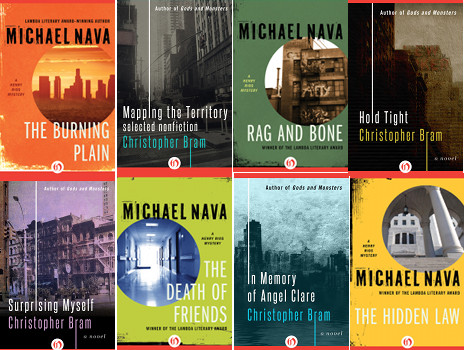
The folks at Open Road approached me recently and told me about how they were re-releasing the work of two great writers, Michael Nava and Christopher Bram, in ebook editions, and that the pair happened to be friends who might likely come up with an excellent exchange for an Author2Author feature. Well, I was familiar with some of Bram’s work as both a novelist and literary historian—in 2012, I reviewed Eminent Outlaws, his survey of 20th-century gay American literature—so while the two of them were formulating their questions and answers, I got hold of Nava’s first novel, The Little Death, and Bram’s debut, Surprising Myself, and started to bring myself up to speed. Of course, I couldn’t read everything that quickly… but I’m certainly looking forward to getting there over time.
Michael Nava: So, Chris, our first novels were both published in 1986 and here we are, like characters out of that Elton John song, “Talking Old Soldiers.” You know the one I mean? “I remember oh it’s years ago I’d say / I’d stand at that bar with my friends who’ve passed away / And drink three times the beer that I can drink today.” Or maybe like the movie queen in Sondheim’s Follies, belting out, “I’m still here!”
Christopher Bram: You’re right. It’s amazing we’re both still writing two and a half decades later. Maybe because we have so much to say? Neither of us has run out of things we need to talk about.
You write mysteries, but your Henry Rios novels are about so much more than solved crimes. Henry is a defense attorney and each novel he narrates functions as a mystery, with all the virtues of the genre. They are tightly constructed, cleanly written, full of smart details and expert dialogue. They are completely involving. But taken together, the seven novels form something much bigger, a large-scale moral portrait of one man’s life over fifteen years. We see Henry with his family, his boyfriends, his professional colleagues. We witness him dealing with AIDS, corrupt politicians, alcohol, and grief. He is that rarest of literary accomplishments: a plausible good man. I believe he is one of the great characters in recent American literature.
When you wrote your first Henry Rios novel, The Little Death, did you think it was only a one-shot work or were you already thinking of someone you’d live with for a long time? Did you plan Henry’s growth or just let it happen? Were you surprised at where he went?
24 June 2013 | author2author |
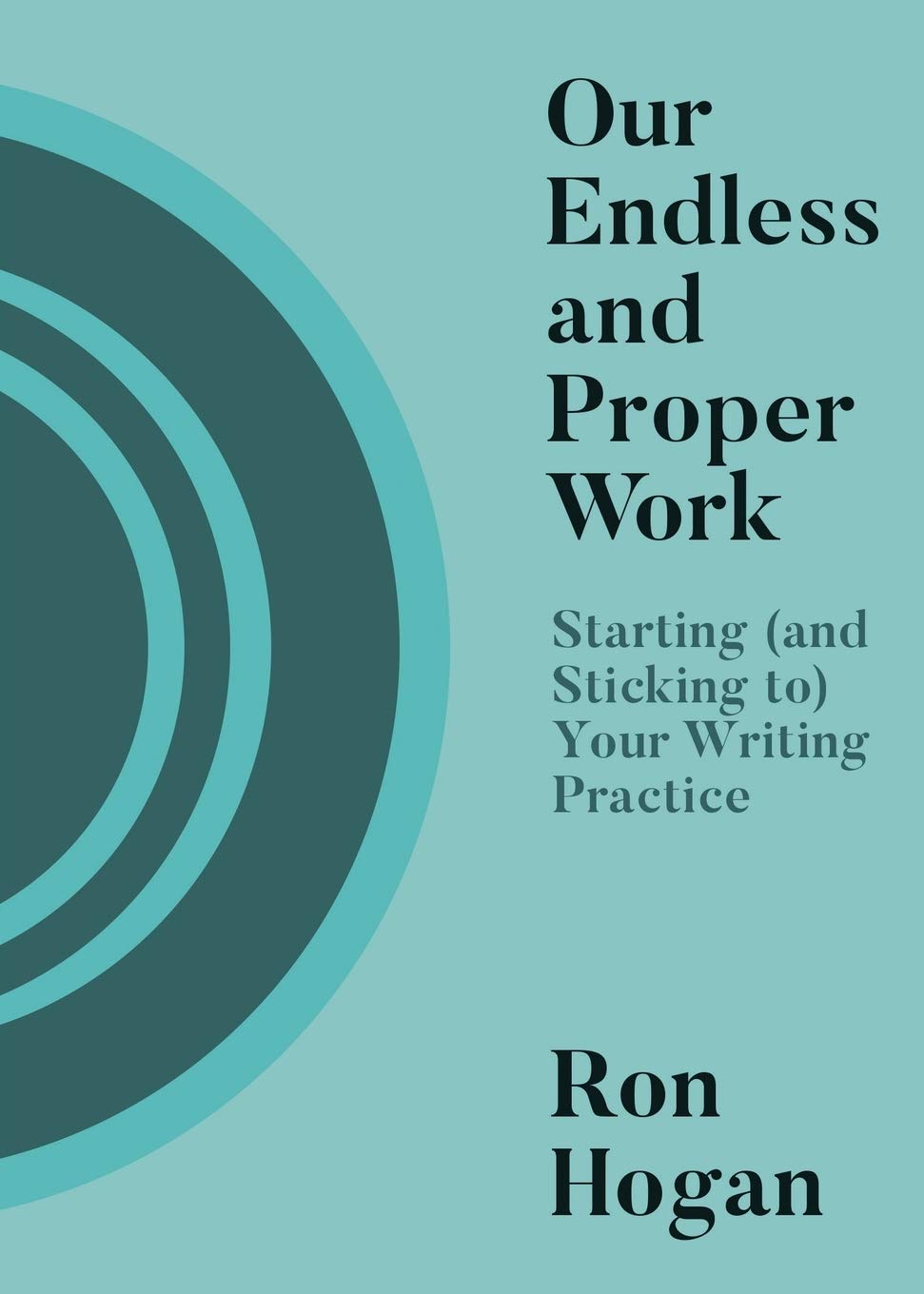 Our Endless and Proper Work is my new book with Belt Publishing about starting (and sticking to) a productive writing practice.