
Natasha Mostert & the Inspirational Power of Feminist Boxing
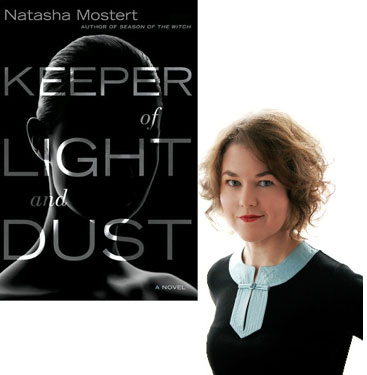
When Natasha Mostert‘s publicist told me that she was donating some of the proceeds from her second novel, Keeper of Light and Dust, to a non-profit organization that was teaching Afghan women how to box, my curiosity was definitely piqued, and I invited Mostert to tell readers how that came about. (Her interest in fighting and the spirit of life is linked, in a way, with the themes of the novel, a supernatural thriller built on the inspired combination of martial arts and what are popularly known in the New Age crowd as psychic vampires.)
I was working on the final chapters of my new novel when I broke my ankle. It happened while I was sparring with my kickboxing instructor and managed—much to the surprise of both of us—to sweep his leg out from underneath him. My ankle remained entangled with his and when we both hit the mat, it snapped. For the next eight weeks I would be Crutches Tiger, Hidden Dragon.
Being able to laugh in a lopsided way at my misfortune could not take away from the fact that the fracture was painful, required surgery and would keep me from training for six months. My doctor—rather hard-heartedly, I thought—told me I would have a “fat ankle” for life. Worst of all was the lack of sympathy I received from family and friends. Over the years I’ve broken a little toe, cracked a nose and had my ribs bruised, but this time no-one was sorry for me.
A few uneasy thoughts had entered my own mind, as well. What was it that so attracted me to fighting? Why did I like to punch and be punched? Why, in fact, had I written a book about it? Keeper of Light and Dust deals with martial arts and the imperative of domination and submission that is hardwired into our genes. Even in my writing life, combat was the focus. What kind of person does that make me?
So there I was, foot propped up on a chair, gloomily fact-checking my book, when I stumbled across an article about a group of Afghan women who are being taught how to box. Afghan women boxing. For a moment I thought my painkillers were causing hallucinations. But then I looked at the photographs that accompanied the story…
One picture showed a girl, her hands encased in boxing gloves, an expression of utter delight on her face. Another picture was of two women sparring. One of them had her hair gathered with a comb and she looked beautiful and feminine, but also strong and determined. I couldn’t recall ever seeing a picture of a happy Afghan woman before.
When I found myself dreaming of these images, I decided to track down the organiser of the program. At the time, Kanishka Nawabi was still a student in London but he has since returned to Afghanistan where he heads an organisation called Cooperation for Peace and Unity. Fighting for Peace— Nawabi’s program for Afghan women—is a smaller, quirkier off-shoot of the larger project.
We met and I realised Nawabi was a man with an ambitious heart. Fighting for Peace teaches these girls who lead restricted lives and who are still trying to come to terms with a dreadful period in Afghan history to feel empowered, and to walk with dignity and confidence. What I found especially poignant was that the girls are being trained in a gym that is attached to a stadium where the Taliban used to execute people—including women.
Twenty-five girls in their teens and early twenties are enrolled in the program. Not all of their training takes place in the gym. The girls also receive—in line with CPAU’s larger objective—tutelage in conflict resolution tactics. The women are coached to become representatives of a new, progressive Afghanistan.
When I tell people about Fighting for Peace, they applaud the aim of the program but sometimes appear hesitant about using boxing as the vehicle. I respect this viewpoint, and after my ankle injury, I am far more sensitive to the issue. However, no other sport—swimming, ping pong—will pack the same symbolic punch and tear down so strongly the stereotype of the submissive Afghan woman hiding behind her blue burqua. Boxing teaches mental and physical strength. These girls will need it. Afghanistan is still a challenging place to be a woman.
Of course, all of this—from buying boxing gloves to training ambassadors of peace—requires funds. I have therefore decided to donate some of the income I derive from Keeper of Light and Dust to Fighting for Peace. I was also fortunate to be handed 5,000 pounds recently when my book, Season of the Witch won the World Book Day 2009 Book to Talk About Award. This money will be donated to the program as well. I am hoping it will inspire generosity in others, despite tough times.
To end the story where it began: yes, I still spar. And no, I still don’t know why. Joyce Carol Oates in her book On Boxing, may have said it best:
Of course it is primitive, too, as birth, death and erotic love might be said to be primitive and forces our reluctant acknowledgment that the most profound experiences of our lives are physical events—though we believe ourselves to be, and surely are, essentially spiritual beings.
(photo: Mark Andreani)
4 April 2009 | guest authors |
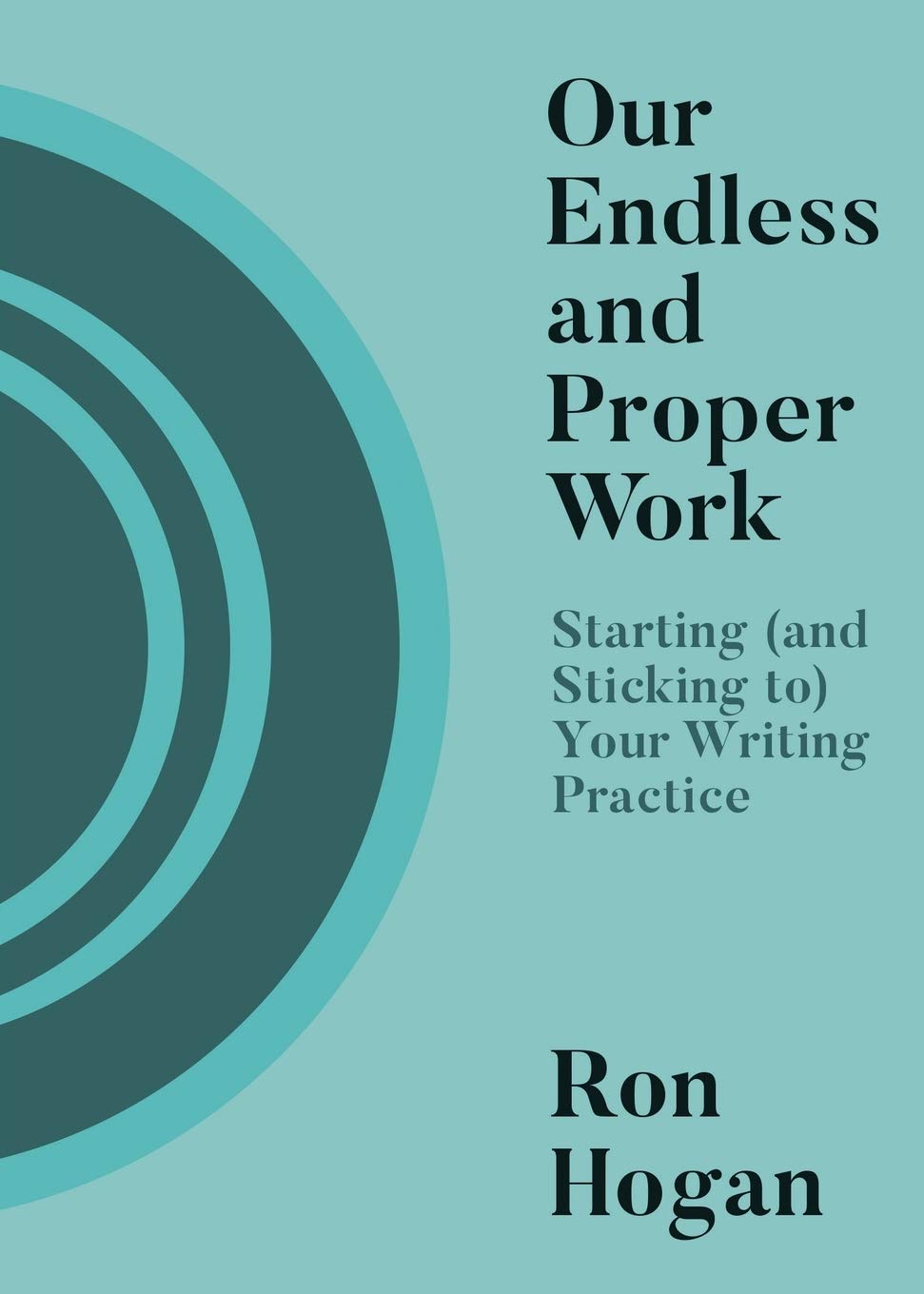 Our Endless and Proper Work is my new book with Belt Publishing about starting (and sticking to) a productive writing practice.