
The Story Behind Penelope Trunk’s Last Book Deal
When I learned about Penelope Trunk’s bitter farewell to traditional publishing, there were several key aspects to her story that contradicted my own experience of the publishing industry, but one element seemed particularly suspect. Here’s how Trunk described her book deal:
“So I sold my book to a mainstream publisher and they sucked. I am going to go into extreme detail about how much they sucked, so I’m not going to tell you the name of the publisher because I got a lot of money from them. I’m just going to tell you that the mainstream publisher is huge, and if you have any respect left for print publishing, you respect this publisher.”
Trunk adds that she sold the book two years ago—and, if you’ll recall, the upshot of her story was that she found the marketing department at this publishing company so incompetent that they essentially cut her loose three months before the scheduled publication date rather than put up with any more of her criticism. Here’s what didn’t make sense to me about that: When you’re 90 days away from publication date, a competent trade publisher will have already been sending out advance reading copies to the media—particularly to monthly magazines with deadlines well in advance of the cover date. And Trunk’s track record as an author of books like Brazen Careerist(well, okay, as the author of Brazen Careerist) would certainly suggest that a smart publisher would be sending her new book out to both monthly and weekly business magazines, and Trunk’s “Internet famous” status would suggest that some of those magazines would be interested in her new book—interested enough that the news that it had been scrapped just months before it was supposed to come out would be, well, newsworthy.
But the first we were hearing of any of this was on Trunk’s blog.
My initial reaction was that it was simply not possible that a book deal for a well-known Internet expert with a major publisher could blow up like this and nobody would say anything about it for nearly two years. (Keep in mind, too, that if Trunk were as good as online promotion as she gives herself credit for being, at T-minus 90 days, she should have been promoting the heck out of an upcoming book whatever her publisher was doing wrong, so we could reasonably have expected attention to have been paid when the publication date came and went without any book showing up.) Coupled with some of the more outrageous details of her characterization of this publisher’s marketing department, it made me—along with more than a few other people—whether there had even been a book deal.
It turns out there was—but perhaps it’s not quite as prestigious as Trunk made it out to be.
16 July 2012 | theory |
Stanley Plumly, “Lapsed Meadows”
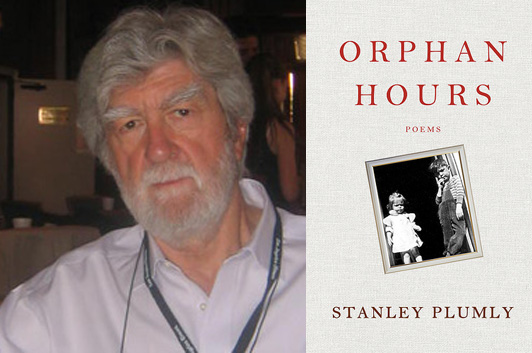
photo: Ron Hogan/GalleyCat
Wild has its skills. the apple grew so close
to the ground it seemed the tree was thicket,
crab, and root, and by fall would look like brush
among the burdock and the hawkweed, as if at heart
it had been cut and piled for burning.
Along the edges, at the corners, like failed fence,
the hawthorns, by comparison, seemed planted.
Everywhere else there was broom grass, timothy,
and wood fern, and sometimes a sapling,
sometimes a run of hazel; sometimes, depending,
fruit still green or grounded and rotting underfoot.
I remember, in Ohio, fields of wastes of nature,
lost pasture, fallow clearings, buckwheat
and fireweed and broken sparrow nests,
especially in the summer, in the fading hilltop sun,
when you could lose yourself by simply lying down.
Who will find you, who will call you home now, at dusk,
with the dry tips of the goldenrod confused”
with a little wind, filling in for what’s left of the light?
Orphan Hours is the eleventh book of poems by Stanley Plumly; I took this photo of him in 2008, after he’d just won the Los Angeles Times Book Prize for Old Heart. Other poems in this new collection include “Cancer (originally published in The New Yorker), “Afterward” (Kenyon Review), “Vesper Sparrow” (The New Republic), and “Verisimilitude” (The Atlantic). “Amidon Christmas Tree Farm Cardinal” was originally published in The Atlantic as “Cardinal.”
13 July 2012 | poetry |
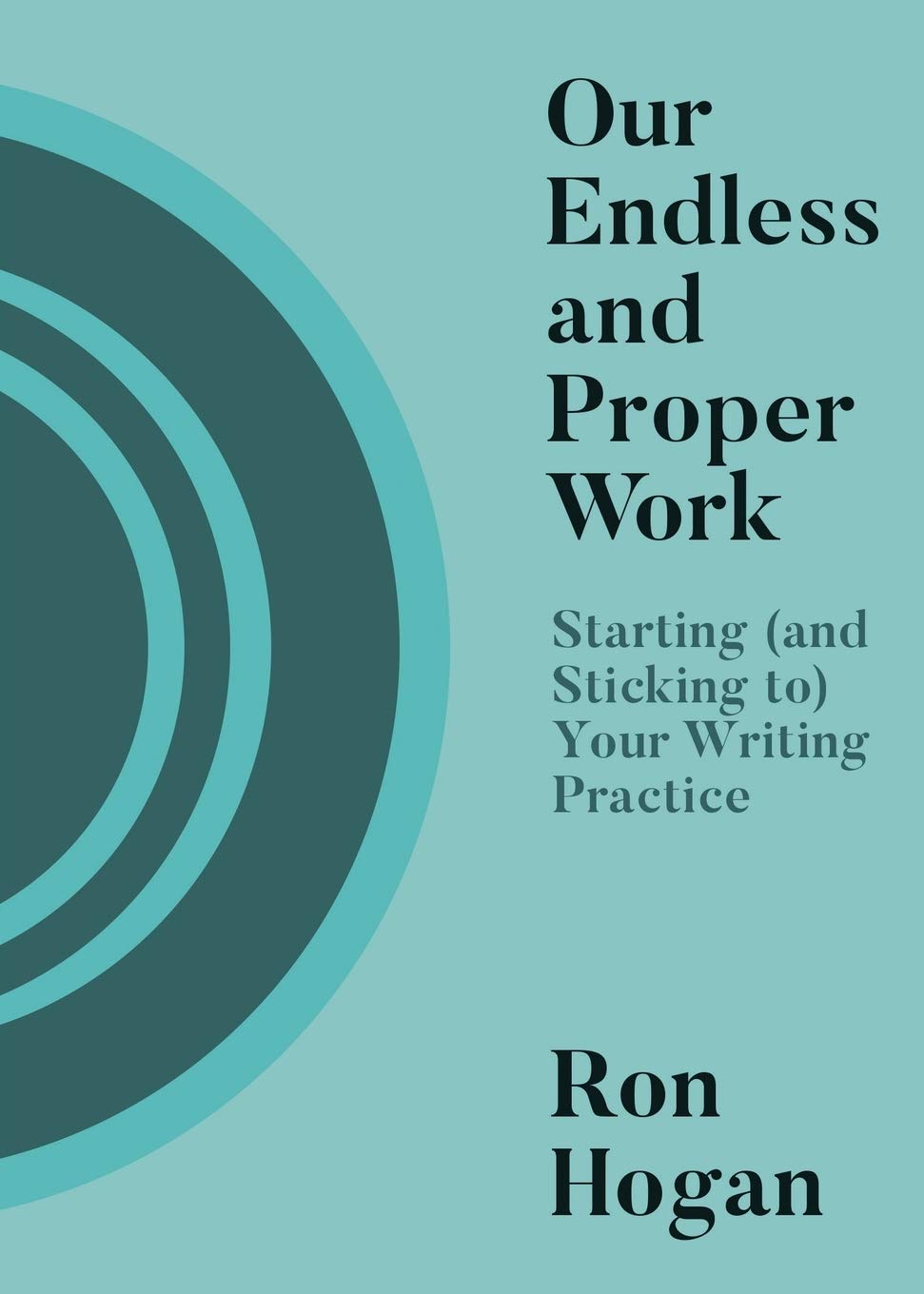 Our Endless and Proper Work is my new book with Belt Publishing about starting (and sticking to) a productive writing practice.