Life Stories #13: Steven Rinella

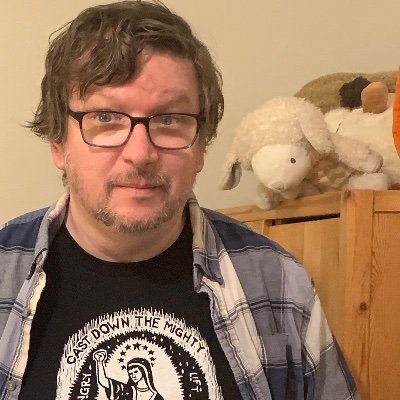
photo: TheMeatEater.com
My guest for this episode of Life Stories, a series of podcast interviews with memoir writers about their lives and the art of writing memoir, is Steven Rinella, and we’re talking about Meat Eater: Adventures from the Life of an American Hunter. Steve’s books draw upon personal experience, but he’s not just setting out to tell his own story:
“You mentioned talking to memoirists, and… I never, ever think of that word. Everything I do turns out to be personal or have memoir elements, but I sit down and think, ‘I’m going to write a book about buffalo,’ or ‘I’m going to write a book about the history of human hunting,’ and in the end it just… I creep in. I don’t have a lot of self-restraint, so I always find my way into things. Honest, starting this book? I wanted to write a treatise on the meaning and history of hunting, and then once I got into it I realized the best way to do this would be to talk about myself… It just comes out.”
The result is a highly personal book in which Steve continues to reflect on his relationship to nature and the food he and his family consume (he’s strictly a sustenance hunter; everything he kills, he eats or prepares for others). During our conversation, we touched upon—among several other topics—the development of Steve’s hunting ethics when he was growing up in Michigan, what his brothers (with whom he’s spent his entire life hunting) think of his work as a writer and television presenter, and his thoughts on when he’ll introduce his own son to hunting. Oh, and what he’d ask Ted Nugent if he ever gets the chance to talk to him…
Listen to Life Stories #13: Steven Rinella (MP3 file); or download the file by right-clicking (Mac users, option-click).
3 September 2012 | life stories |
Read This: The Dog Stars
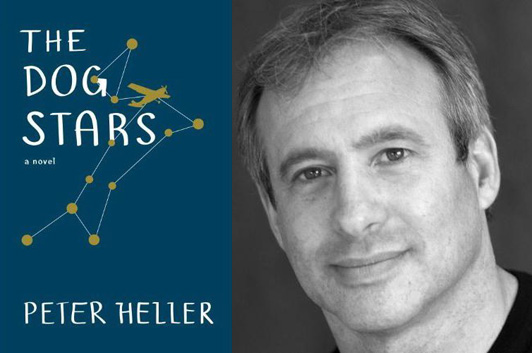
photo: Tory Read
Earlier this summer, I began writing the occasional book review for the Dallas Morning News; my first article was about David Dufty’s How to Build an Android, an account of a university computer science lab’s effort to build a robotic simulation of Philip K. Dick. (And it worked, too, at least until they lost its head…)
For my second Morning News piece, I keep up the science fiction vibe with a look at Peter Heller‘s debut novel, The Dog Stars. Here’s how I described the context of its publication:
In a little over a half century, life after the end of the world has subtly shifted from a topic fit mostly for science fiction, as in Richard Matheson’s I Am Legend (1954) or Walter M. Miller, Jr.’s A Canticle for Liebowitz (1960), to the stuff of top-shelf literary fiction, most notably Cormac McCarthy’s The Road (2006).
The Dog Stars positions itself squarely in the latter camp. Although there are scattered references to the superbug that set the novel’s disaster in motion, including a rumor that it might have been a biological weapon, Heller’s focus is firmly fixed on Hig and his shifting emotional state.
Hig is the novel’s 40-year-old narrator, a widow who lives in an abandoned Colorado airport with his aging dog and a sharpshooting survivalist named Bangley. Bangley drives Hig nuts, but he also keeps the two of them alive, and Hig can always get away for a couple days in his small plane. His frustration mounts, though, until one day he sets out after a possible hint of other survivors… As I put it, the book “can feel less like a 21st-century apocalypse and more like a 19th-century frontier narrative… [with] echoes of Grizzly Adams or Jeremiah Johnson,” including some intensely violent scenes. But it’s also a book of “quiet, poetic beauty,” driven not by the plot device of the end of the world but by Hig’s voice. I’d actually set this book aside when I first heard about it, because I didn’t feel up for another literary run at science fictional themes at that moment, but I’m glad that the Morning News encouraged me to take a second look—this is a great story, and I’m interested now in tracking down some of Heller’s nonfiction writing.
29 August 2012 | read this |
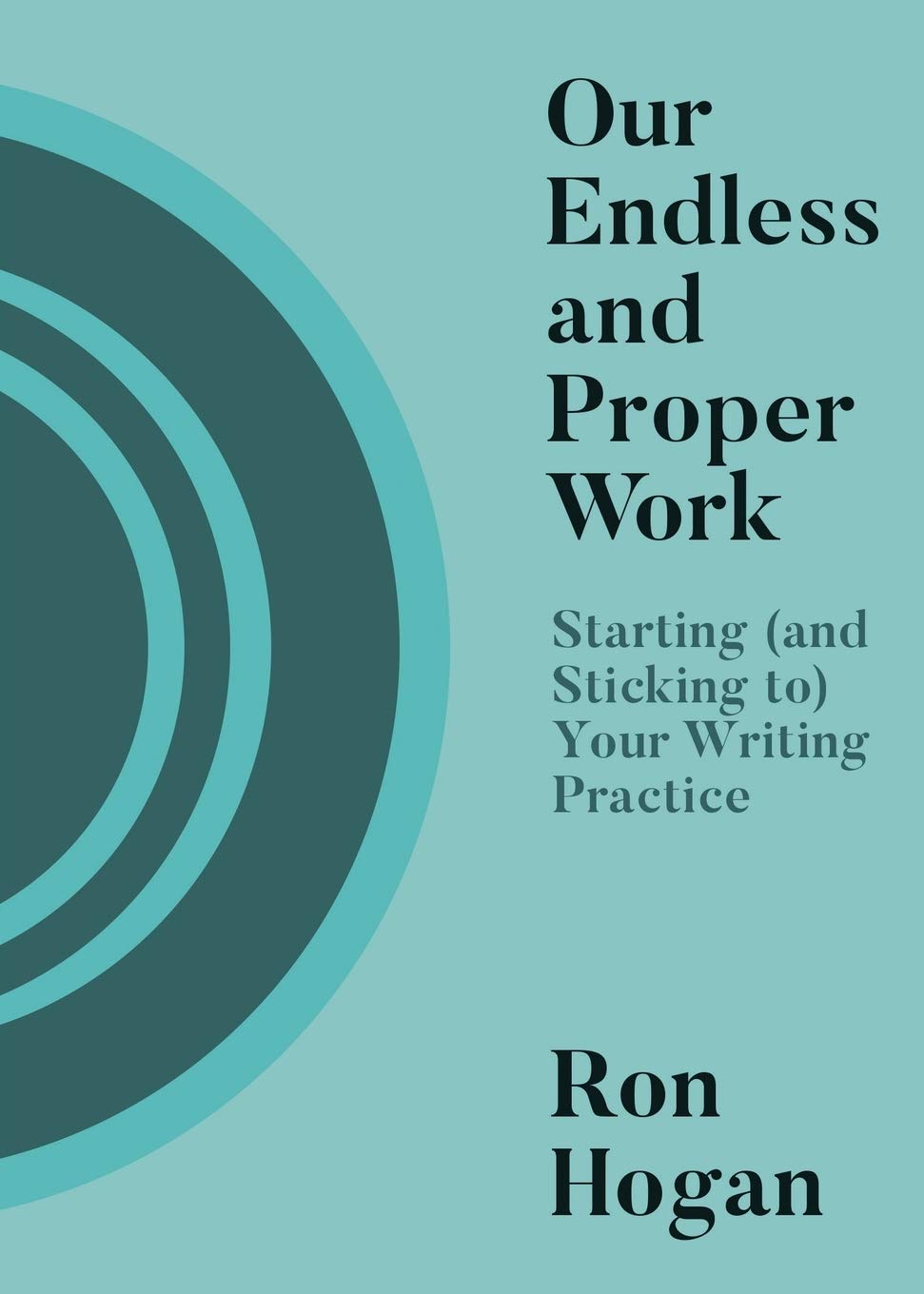 Our Endless and Proper Work is my new book with Belt Publishing about starting (and sticking to) a productive writing practice.